


Continuing his representation with Northern Contemporary Gallery for Place/Memory, Craig Symonds marked his second year participating in the CONTACT Photography Festival. In this group exhibition celebrating contemporary photographic practices, he exhibited a gelatin silver print produced by hand in the Hart House darkroom at the University of Toronto.


With the support of a Pollinator Outreach Grant from Pollination Guelph, Craig Symonds developed Auraswarm Trading Cards. The cards were created to help inspire the next generation of nature enthusiasts and to spark curiosity for biodiversity. Starting from an idea to create 'Pollinator Cards' of native biodiversity in Guelph, thousands of cards were printed and are to be distributed to kids at summer camps, the City of Guelph's Healthy Landscape program and community events. Auraswarm Trading Cards are printed on high-quality cardstock with the same premium feel that is used in the world's biggest trading card games, making them perfect for fans of popular TCGs.


Celebrating the beauty and diversity of nature, The Great Outdoors was a group show at Toronto's Northern Contemporary Gallery that included participation from Craig Symonds. The exhibition showcased pieces by various visual artists exploring the themes of plants, animals, wildlife, and the environment in all their forms.


Featured on the cover of Canadian Photography Magazine, an image of a Honey Bee by Craig Symonds was accompanied by an article reflecting on his experiences photographing as a beekeeper — a publication of the Canadian Association for Photographic Art.


At the 162nd Annual General Meeting of the Entomological Society of Ontario. Craig Symonds presented his research on the Japanese beetle during the Second World War in Canada.First detected in New Jersey in 1916, the Japanese beetle (Popillia japonica) quickly became a major agricultural pest and a catalyst for international collaboration. During the Second World War, the beetle was increasingly portrayed in newspaper articles, comics, and advertisements as a metaphor for Japanese people, casting the insect’s presence as an extension of enemy aggression. Although the beetle had not yet established itself in Canada, extensive border controls and trapping operations were implemented to prevent its spread. These measures helped pave the way for a lasting reliance on synthetic pesticides, with consequences extending well beyond the war.This research originated as a request to reconsider the beetle’s common name to the Entomological Society of Canada. The ESC welcomed the proposal and supported its advancement to the Entomological Society of America. Following review, the ESA invited Symonds to participate in the forthcoming Better Common Names Project.


As a participant in the Newfoundland and Labrador BioBlitz, Craig Symonds joined a week-long survey of the Limestone Landscapes of the Great Northern Peninsula, near L’Anse aux Meadows, where the Vikings first landed and established the earliest known European settlement in North America. The event brought together ecologists, biologists and other scientists to document and identify the amazing biodiversity in this rare ecosystem, including plants so endangered they are found nowhere else on Earth. During the BioBlitz, Symonds recorded the first Amber-haired Blacklet Fly (Cheilosia lasiophthalma) ever found in Newfoundland. As one of Canada’s designated Priority Places for Species at Risk, the Limestone Landscapes are the focus of collaborative conservation and research efforts. Symonds’ participation was made possible with support from the Biological Survey of Canada, and the Government of Newfoundland and Labrador's Department of Fisheries, Forestry and Agriculture in affiliation with Environment and Climate Change Canada.
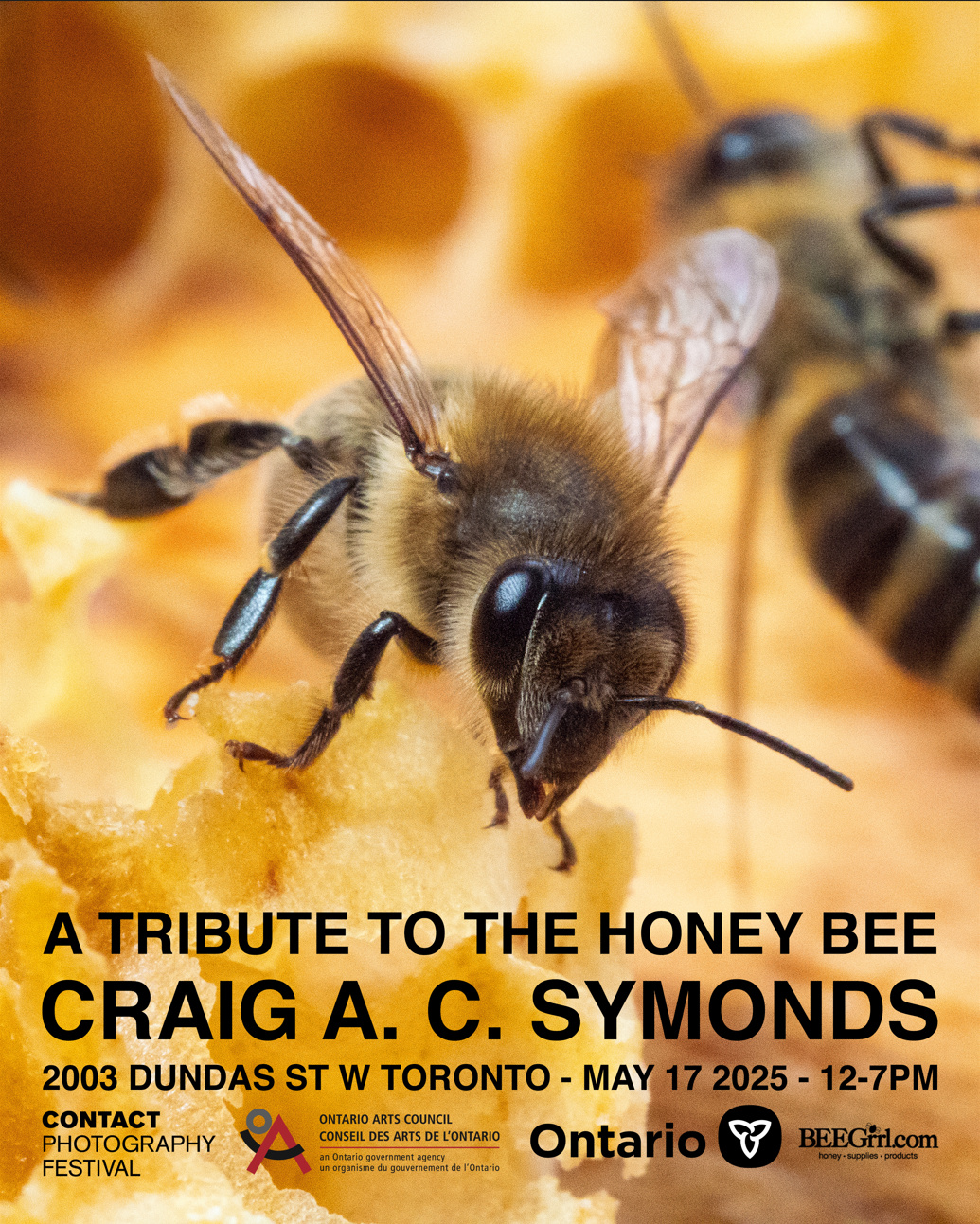


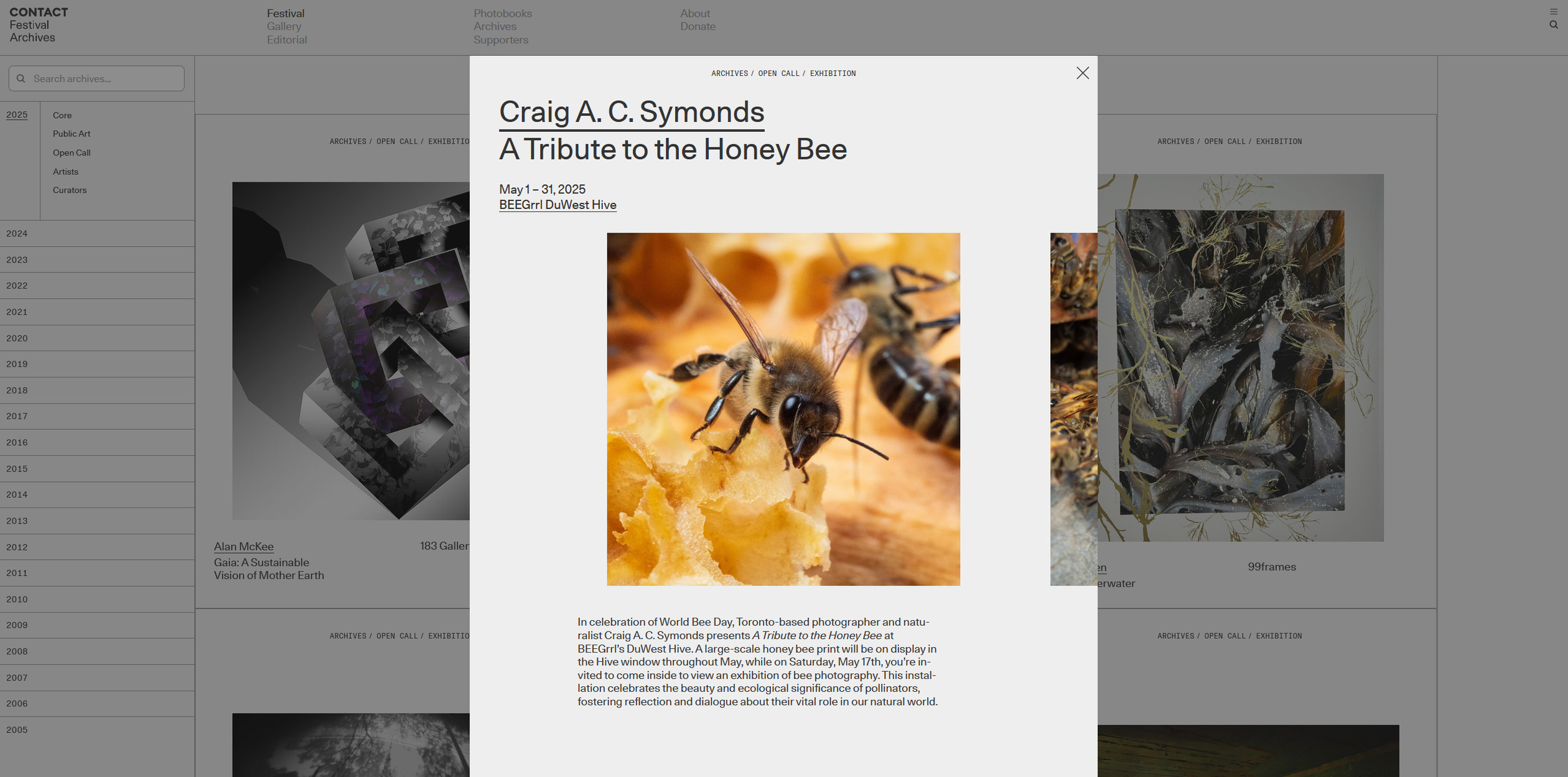
For Toronto’s CONTACT Photography Festival, Craig Symonds exhibited 'A Tribute to the Honey Bee' in collaboration with Melanie Coates aka BEEGrrl, a Toronto urban beekeeping pioneer who launched the world’s first rooftop hotel apiary on the Fairmont Royal York in 2008. The project highlighted the delicate balance between agricultural needs and the preservation of natural ecosystems, using honey bees as a platform for reflection. Recognized as part of the official World Bee Day celebrations by the United Nation’s Food and Agriculture Organization, the exhibition was produced with generous support from the Ontario Arts Council. an agency of the Government of Ontario.
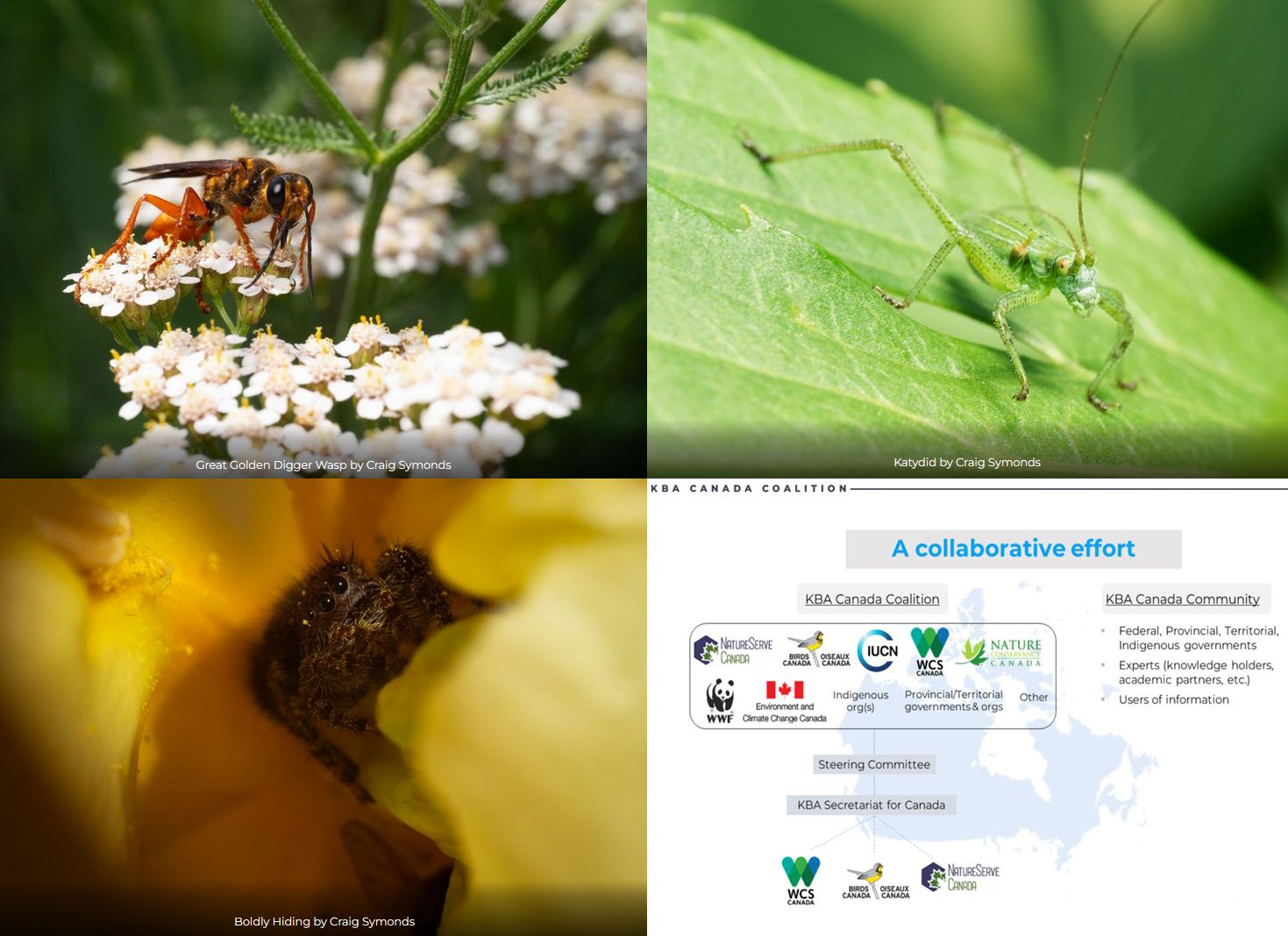
Honourable Mentions were awarded to Craig Symonds in the Key Biodiversity Areas (KBA) Canada Photo Contest, which celebrates photography from special places that are critical for nature and wildlife. KBA Canada is a national program that identifies these important areas, working with conservation groups, nonprofits and Provincial/Territorial governments to support efforts to protect them. The recognized images were captured at the Royal Botanical Gardens, part of the Dundas Valley to Cootes Paradise KBA. The gardens were granted the use of the title ‘Royal’ in 1930 by King George V, reflecting a long tradition of safeguarding important places and stewardship of natural heritage.
As part of BeeCon Craig Symonds presented ‘Exploring Mexico's Stingless Bees: A Photographer's Perspective’. The conference was hosted by the Centre for Bee Ecology, Evolution, and Conservation at York University, a recognized global leader in bee research. As the first nature photographer to present at BeeCon, he highlighted the cultural and ecological significance of stingless bees in Oaxaca, rooted in Indigenous meliponiculture.
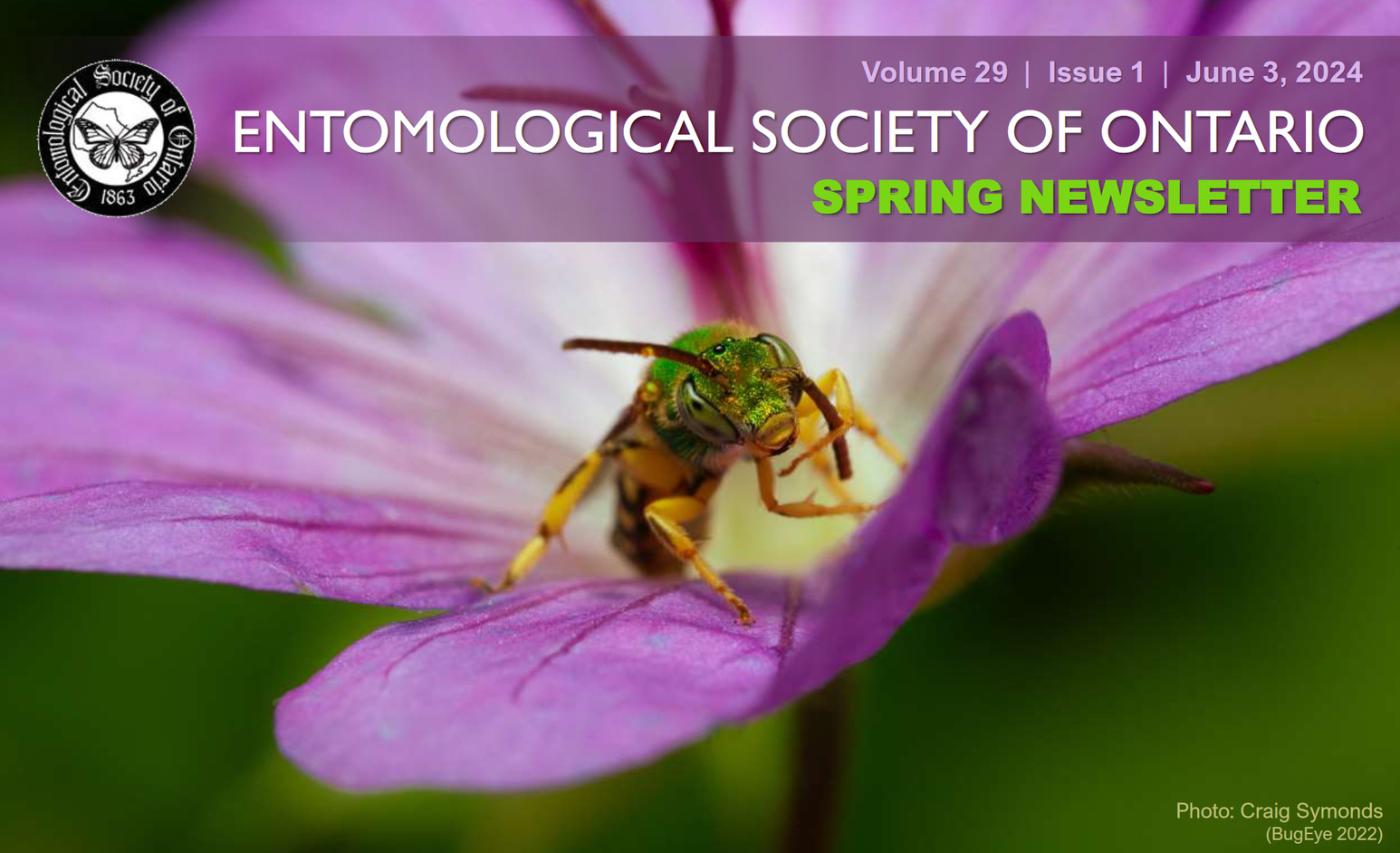
The Spring Newsletter of the Entomological Society of Ontario featured a cover photo by Craig Symonds, a member of the society. Founded in 1863, it is Canada’s oldest entomological society, with a mission to further the study and appreciation of insects.



Craig A. C. Symonds is a Toronto-based nature photographer known for his images of Ontario’s bees and butterflies. He first gained recognition through vibrant event photography of Toronto’s nightlife and rave scenes. After the COVID‑19 lockdowns, he rekindled his childhood fascination with insects through beekeeping and began photographing his honey bees. His curiosity soon expanded, drawing his camera toward the ecology of pollinators and the connections between insects, plants, and people.
craigsymondsphotography@gmail.comInstagram: @craigacsymondsiNaturalist: @craigacsymonds
Craig is a graduate student with the Faculty of Environmental and Urban Change at York University. Recently, he completed a certificate in Geographic Information Systems (GIS) for Environmental Management with the University of Toronto. Craig has received training from the Invasive Species Centre and is a certified Pollinator Steward with Pollinator Partnership Canada. Additionally, he is a member of the Entomological Society of Ontario, Toronto Entomologists' Association and the Biological Survey of Canada. Previously, he studied Photography at Humber Polytechnic and has experience as a commercial photo lab technician.
Available by request, Craig occasionally enjoys taking on portrait and wedding photography commissions. To make an inquiry, please reach out directly or visit Studio Symonds for more information.


